Piles (Mulvyadh / Hemorrhoids) Treatment
"Our Goal is to Help You Live Without Pain & Discomfort"
Specialized Piles Treatment with Advanced Laser & Proctology Care
Dr. Kamthe's Piles Clinic provides specialized treatment for piles (hemorrhoids / mulvyadh) with a focus on accurate diagnosis, patient comfort, faster recovery, and long-term relief.
What are Piles?
Understanding Hemorrhoids / Mulvyadh
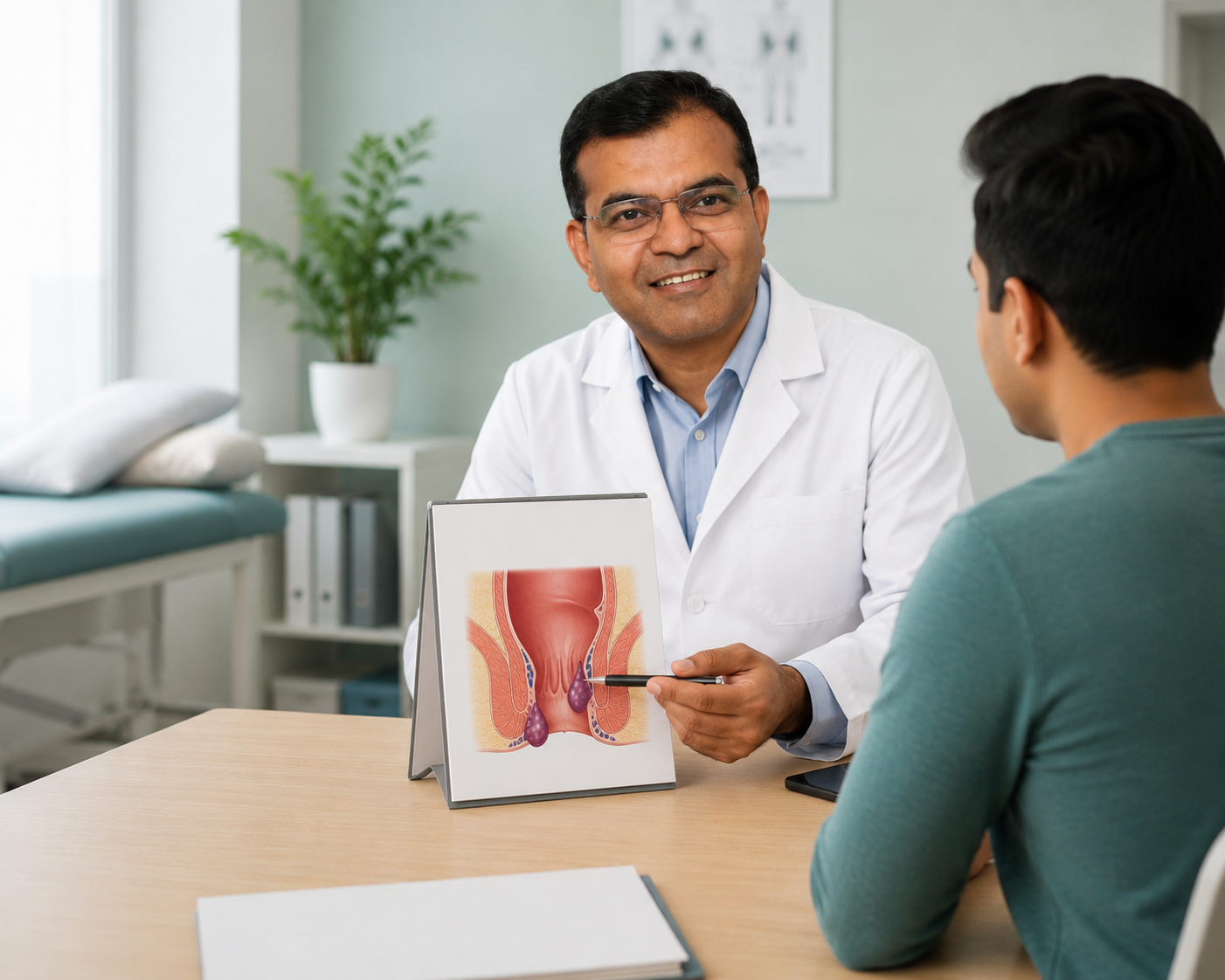
Piles, also called hemorrhoids or mulvyadh, are swollen and enlarged veins in the lower rectum or anal canal. These veins become inflamed because of increased pressure in the rectal region and may lead to bleeding, swelling, itching, discomfort, or pain during bowel movements.
Piles may develop internally inside the rectum or externally around the anal opening. In many patients, symptoms begin gradually and become severe if ignored for a prolonged period.
The condition is commonly associated with constipation, prolonged sitting, irregular eating habits, low-fiber diet, pregnancy, obesity, and excessive straining during stool passage.
Although piles are not usually life-threatening, delayed treatment can significantly affect quality of life and may lead to complications such as severe pain, prolapse, infection, or persistent bleeding.
Types of Piles
Internal & External Hemorrhoids
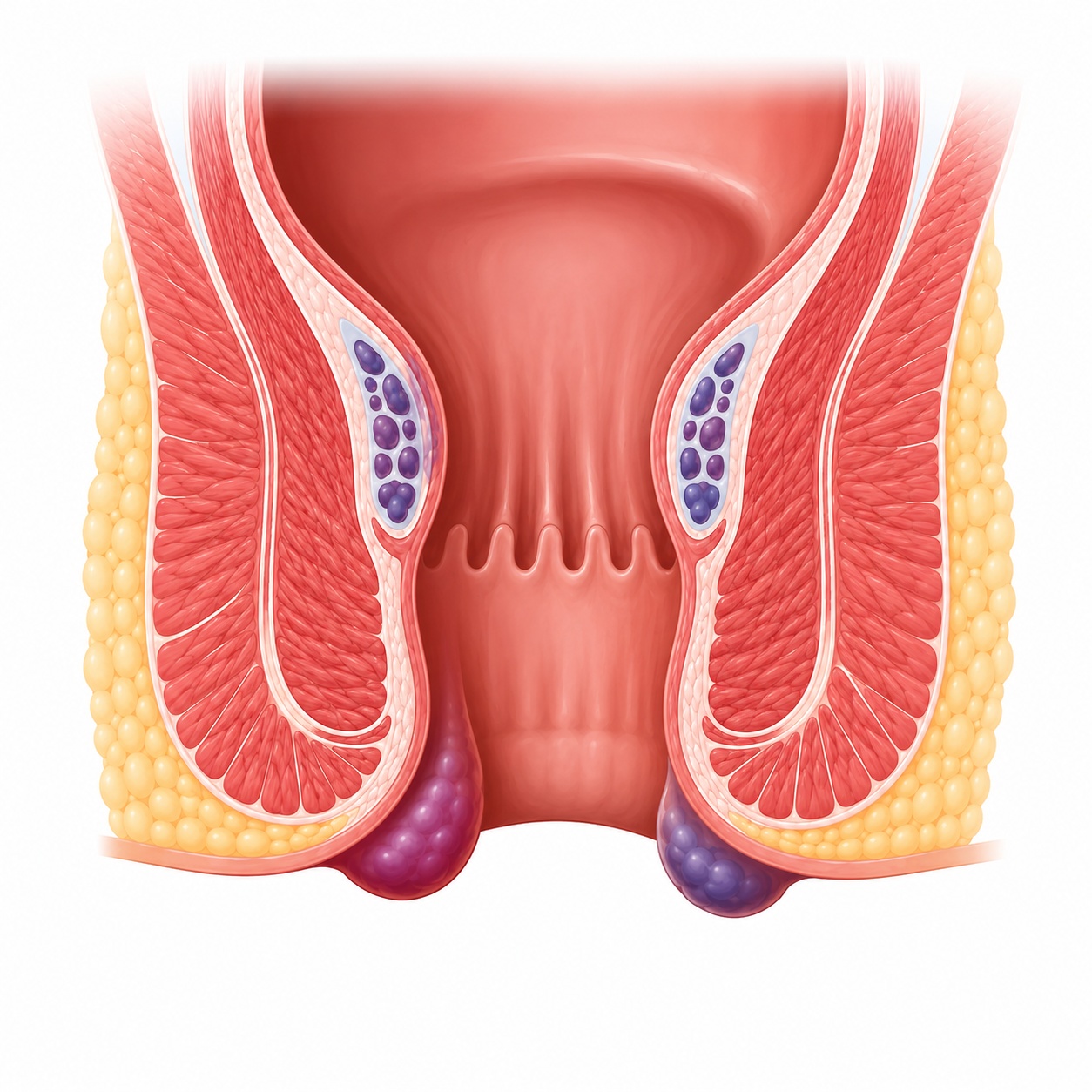
Internal Piles
Internal piles develop inside the rectum and are generally not visible externally during the early stages. These piles commonly cause painless bleeding during stool passage. As the condition progresses, internal piles may start prolapsing or coming outside the anal opening during bowel movements.
Symptoms may include:
- Bleeding during stool passage
- Mucus discharge
- Feeling of incomplete bowel evacuation
- Prolapse during bowel movements
External Piles
External piles develop around the anal opening and are usually more painful because of the presence of sensitive skin and nerve endings in that area. In some cases, blood clots may form inside external piles, leading to severe pain and swelling.
Patients may experience:
- Pain while sitting
- Swelling around the anus
- Burning sensation
- Itching and irritation
- Tender lump formation
Causes of Piles
Common Reasons Behind Piles Development
Piles often develop because of increased pressure on the rectal veins over a prolonged period. Several lifestyle and digestive factors contribute to this condition.
01
Chronic Constipation
Excessive straining during stool passage puts pressure on the anal veins and gradually leads to swelling.
02
Prolonged Sitting
Long sitting hours, especially in office jobs or sedentary lifestyles, may increase pressure in the rectal area and worsen piles symptoms.
03
Low-Fiber Diet
A diet lacking fiber often leads to hard stools and irregular bowel movements, increasing the risk of constipation and piles.
04
Pregnancy
During pregnancy, increased abdominal pressure and hormonal changes may contribute to piles development.
05
Obesity & Lack of Physical Activity
Excess body weight and inactive lifestyle habits can increase strain on the rectal veins.
06
Irregular Bowel Habits
Ignoring the urge for bowel movements, excessive straining, or spending long time in toilets can worsen the condition.
Symptoms of Piles
Signs & Symptoms You Should Not Ignore
Symptoms of piles vary depending on the severity and grade of the condition. In advanced cases, piles may become painful and interfere with normal daily activities.
Patients experiencing persistent bleeding or pain should consult a specialist for proper evaluation.
Diagnosis of Piles
Proper Diagnosis is the First Step Towards Effective Treatment
At Dr. Kamthe's Piles Clinic, diagnosis begins with understanding the patient's symptoms, medical history, bowel habits, and lifestyle patterns. Clinical examination and advanced diagnostic methods help determine:
- Type of piles
- Severity and grade
- Associated fissure or fistula
- Other anorectal conditions
Video Rectoscopy
Our clinic also provides video rectoscopy facilities that allow proper visualization of the anal canal and rectal region. This helps in:
- Accurate diagnosis
- Better treatment planning
- Detection of associated conditions
- Patient education and understanding
Early diagnosis helps prevent complications and supports faster recovery.
Grades of Piles
Understanding Different Stages of Hemorrhoids
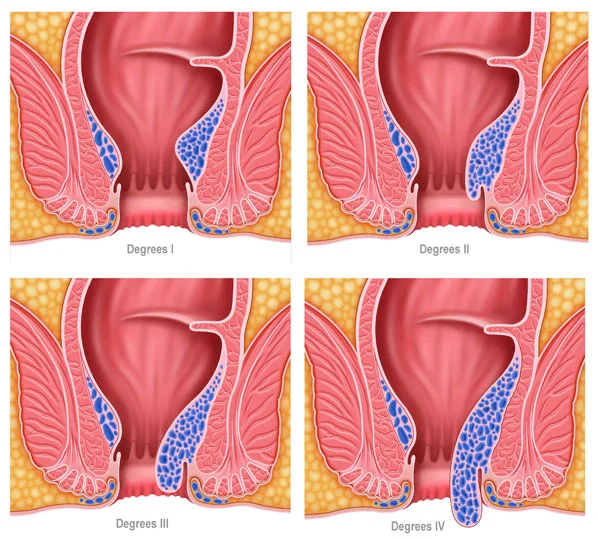
Piles are classified into different grades depending on severity and prolapse.
Grade 1 Piles
Grade 1 piles are small internal hemorrhoids present inside the rectum. These piles usually cause mild bleeding during bowel movements but do not prolapse outside the anal opening.
- Mild bleeding
- Occasional discomfort
- Early constipation-related symptoms
This stage is often manageable through medicines, dietary correction, hydration, and bowel habit improvement.
Grade 2 Piles
In Grade 2 piles, the swollen hemorrhoids prolapse or come outside during bowel movements but return automatically after stool passage.
- Bleeding during stool passage
- Mild prolapse
- Discomfort and irritation
- Feeling of incomplete evacuation
Lifestyle changes and non-surgical treatment may still help in many cases, though some patients may require minimally invasive procedures.
Grade 3 Piles
Grade 3 piles prolapse during bowel movements and require manual repositioning back inside the rectum.
- Significant prolapse
- Swelling and pain
- Difficulty sitting comfortably
- Persistent irritation
At this stage, advanced procedures such as Laser treatment may be recommended depending on the patient's condition.
Grade 4 Piles
Grade 4 piles are permanently prolapsed hemorrhoids that remain outside the anal opening and cannot be pushed back manually.
- Severe pain
- Swelling and inflammation
- Bleeding
- Difficulty in sitting and walking
- Infection risk
Patients with Grade 4 piles often require advanced surgical or Laser intervention for long-term relief.
Treatment of Piles
Personalized Treatment for Every Stage of Piles
At Dr. Kamthe's Piles Clinic, treatment is planned after understanding the severity of the condition, patient symptoms, lifestyle factors, and overall health. The goal of treatment is not only to reduce symptoms but also to prevent recurrence and improve long-term bowel health.
MCDPA — Non Surgical Treatment for Grade 1 Piles
Medicines & Lifestyle Management
Early-stage piles can often be managed through:
- Medicines
- Fiber-rich diet
- Hydration improvement
- Constipation management
- Lifestyle correction
Patients are guided regarding healthy bowel habits and preventive care.
Laser Procedure for Grade 2 Piles
Laser Treatment for Piles
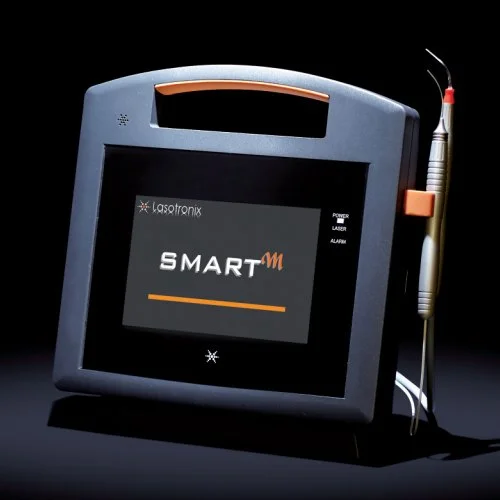
Laser piles treatment is one of the most advanced and patient-friendly treatment options available today. At Dr. Kamthe's Piles Clinic, Laser procedures are performed with precision to reduce pain, bleeding, and recovery time.
Advantages of Laser Treatment
Laser treatment is especially suitable for patients seeking minimally invasive procedures and quicker recovery.
Stapler Surgery for Grade 4 Piles
Stapler Surgery for Advanced Piles
In selected advanced cases, stapler surgery may be recommended to treat prolapsed hemorrhoids. The procedure helps reposition and reduce enlarged hemorrhoidal tissue while improving patient comfort.
Surgical Treatment
Advanced Surgical Options for Piles
At Dr. Kamthe's Piles Clinic, we offer a range of advanced surgical and minimally invasive treatments tailored to the severity and type of piles. Each procedure is performed with precision, safety, and patient comfort in mind.
Laser Treatment (LHP)
The treatment is also known as LHP (Laser Haemorrhoid Plasty). It is a painless and rapid procedure that leaves no scar on the skin. The safest method of enhancing light through stimulated radiation emission is called a laser. When receiving laser treatment, the damaged area is allowed to heal itself thanks to the amplified light. We preserve numerous medical complications and provide more accurate results by using this state-of-the-art laser treatment.
Ksharsutra
It is an Ayurvedic remedy that was created 5,000 years ago by Acharya Sushrut. The Ksharsutra is ligated in cases of internal hemorrhoids. The best application for this technique is for piles and fistulas, which have minimal recurrence and no complications or side effects. For the entire procedure, local anesthesia is needed.
Advanced Seton Therapy
We create medicated Seton using a blend of traditional and contemporary methods, utilizing various ayurvedic herbs. This Seton is tagged to piles. Subsequently, we extract this herbal thread without requiring surgery or creating any issues. We use local anesthesia for the duration of this treatment.
Injection Therapy or Sclerotherapy
The procedure is frequently used to eliminate haemorrhoids. In this, our doctor injects a solution into the root of the haemorrhoids. The chemical agent hardens the haemorrhoid and shrinks the haemorrhoid tissue.
Stapler Surgery
Stapled haemorrhoidectomy is best to treat the third-degree, fourth-degree, prolapse piles, rectocele, etc. By using the stapler and sutures, we repair the expanded hemorrhoidal supporting tissue.
Rubber-Band Ligation (Banding)
In this, our expert ties a tiny rubber band over the basal portion of internal haemorrhoid. This tie-up cuts the blood flow flowing towards haemorrhoid.
Ksharakarma (MIPT)
Minimal Invasive Piles Treatment (MIPT). It is an Ayurvedic remedy that was initially created more than 5,000 years ago by Acharya Sushrut. Compared to surgery and thermal cautery, it is less harsh. Such locations, which are challenging to manage with traditional methods, can be treated by this method. Applying a herbal-medical paste to pile masses can help them shrink to their maximum size; this process takes three to five days, depending on the patient. In Ayurveda, this is a very successful treatment. Also referred to as Minimal Invasive Pile Treatment, or MIPT.
Ayurvedic & Kshara Karma Support
Our clinic also provides Ayurvedic support and Kshara Karma approaches for selected cases depending on diagnosis and patient condition. Traditional methods are combined with modern care wherever appropriate to provide holistic anorectal management.
Why Choose Dr. Kamthe's Piles Clinic?
Specialized Care Focused on Patient Comfort
Our focus is on safe treatment, proper guidance, and long-term patient care.
Recovery & Post-Treatment Care
Recovery Guidance for Better Long-Term Results
Proper recovery care is important after piles treatment. Patients receive guidance regarding:
Diet correction
Hydration
Fiber intake
Physical activity
Bowel habit management
Prevention of recurrence
Long-term digestive health management helps improve treatment outcomes and reduce recurrence risk.
Patient Stories
Real Experiences from Patients
Many patients visiting Dr. Kamthe's Piles Clinic initially hesitate because of pain, embarrassment, or fear regarding piles treatment. With proper diagnosis, personalized treatment, and supportive care, patients are able to recover comfortably and regain confidence in daily life.
View Patient TestimonialsFAQ Section
Frequently Asked Questions
Appointment
Consult a Specialist for Proper Piles Treatment
Do not ignore bleeding, pain, swelling, or discomfort related to piles. Early diagnosis and timely treatment can help prevent complications and improve recovery. Book an appointment with Dr. Kamthe's Piles Clinic today.
Book AppointmentVideo Testimonials
Hear it from our patients
Real stories of relief, recovery and renewed comfort — shared by our patients.
Take the first step toward relief
Talk to our specialists today — confidential, expert and judgement-free care.