
Fistula (Bhagandar) Treatment
"Relief from Pain, Infection & Recurrent Discomfort Starts with Proper Treatment"
Specialized Care for Anal Fistula with Advanced Laser & Proctology Treatment
Anal fistula is a painful and recurrent anorectal condition that usually develops because of infection near the anal region. At Dr. Kamthe's Piles Clinic, we provide advanced and personalized treatment with a focus on proper diagnosis, infection control, faster recovery, and reduced recurrence.
What is Fistula?
Understanding Anal Fistula / Bhagandar
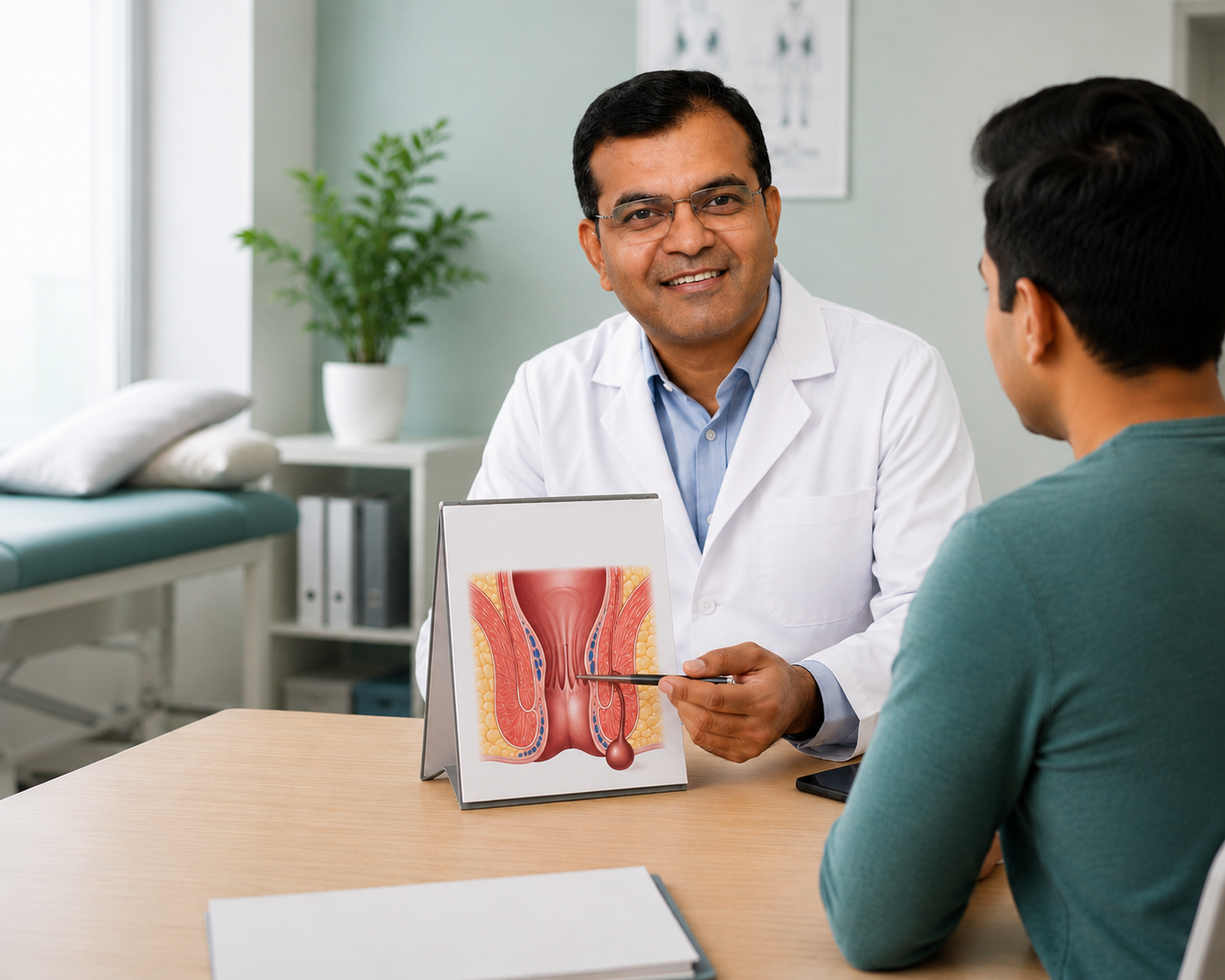
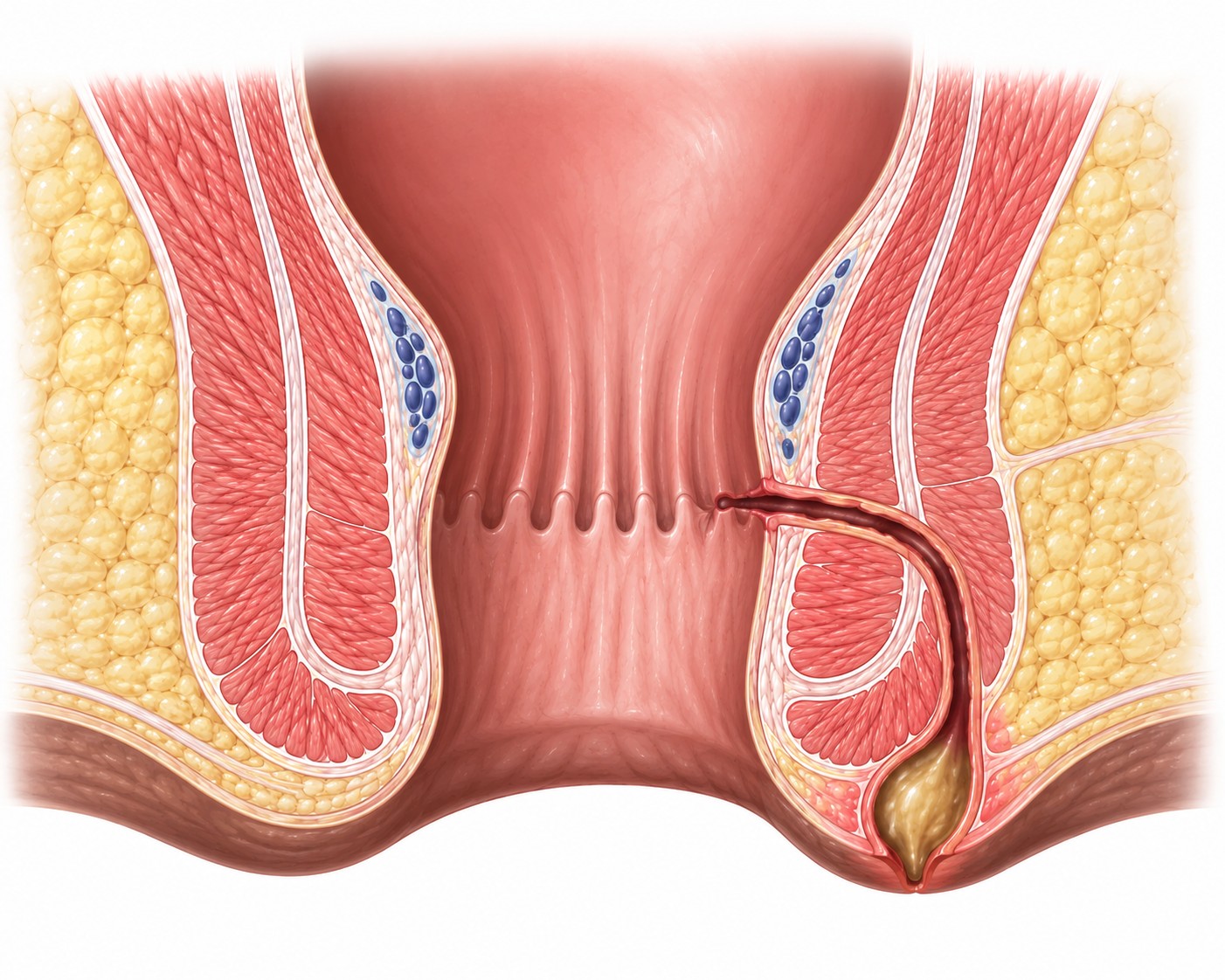
An anal fistula is an abnormal tunnel or tract that develops between the anal canal and the skin around the anus. It usually forms after an anal infection or abscess that does not heal completely.
The infection creates a passage through which pus or discharge may repeatedly come out. In many patients, the condition becomes chronic and recurrent if not treated properly.
Fistula is not only physically painful but may also affect daily activities, sitting comfort, bowel movements, and overall quality of life.
Many patients ignore symptoms initially or repeatedly take temporary treatment, which often increases the complexity of the condition over time.
How Does Fistula Develop?
Infection is Often the Main Cause
Most fistulas begin because of an infection in the anal glands. When the infection forms an abscess and does not heal completely, it may create a small tunnel connecting the anal canal to the skin surface.
01
Recurrent Abscess
Repeated abscess formation near the anal area often develops into a fistula tract over time.
02
Chronic Infection
Persistent anal gland infections that don't heal fully may create a tunnel between the anal canal and skin.
03
Poor Wound Healing
Inadequate healing after anorectal infection or surgery can leave behind a chronic discharging tract.
04
Inflammatory Bowel Disease
Conditions like Crohn's disease may predispose patients to complex and recurrent fistulas.
05
Previous Anorectal Surgery
Earlier surgical procedures in the anal region can sometimes lead to fistula development.
06
Long-standing Bowel Issues
Chronic digestive or bowel problems contribute to repeated infection cycles and fistula formation.
Types of Fistula
Different Forms of Anal Fistula
Fistulas may vary depending on the depth, complexity, and direction of the tract.
Simple Fistula
A simple fistula usually involves a single tract and limited infection. These cases are generally easier to manage when diagnosed early.
Symptoms may include:
- Mild discharge
- Swelling near the anus
- Pain while sitting
- Occasional irritation
Complex Fistula
Complex fistulas involve multiple tracts, deeper infection, or repeated recurrence. These require proper evaluation and advanced treatment planning.
Patients may experience:
- Persistent pus discharge
- Severe pain and swelling
- Recurrent abscess formation
- Difficulty sitting comfortably
- Multiple external openings near the anal area
Symptoms of Fistula
Signs You Should Not Ignore
Fistula symptoms may vary depending on severity and infection level. Some patients experience repeated healing and recurrence cycles, which delay proper treatment.
Diagnosis of Fistula
Accurate Evaluation for Better Treatment Planning
At Dr. Kamthe's Piles Clinic, fistula diagnosis begins with detailed evaluation of symptoms, discharge pattern, pain history, and previous infection episodes. Clinical examination and advanced diagnostic methods help determine:
- Location of fistula tract
- Complexity of infection
- Internal and external openings
- Associated abscess or anorectal disease
Video Rectoscopy & Clinical Evaluation
- Identifying fistula pathway
- Assessing infection severity
- Understanding recurrence risk
- Planning suitable treatment approach
Proper diagnosis is important because incomplete treatment may increase recurrence chances.
Complications of Untreated Fistula
Why Early Treatment is Important
Ignoring fistula symptoms for prolonged periods may lead to serious complications. Early treatment helps reduce infection spread and improves recovery outcomes.
Fistula Treatment
Personalized Treatment Based on Condition Severity
Treatment for fistula depends on the complexity, infection level, recurrence history, and patient condition. At Dr. Kamthe's Piles Clinic, treatment planning focuses on effective healing while minimizing discomfort and recurrence.
Medicines & Infection Management
In early or infected stages, medicines may be advised to control infection, reduce swelling, and manage pain. However, medicines alone may not permanently cure fistula if the tract remains present.
Laser Treatment for Fistula
Advanced Minimally Invasive Laser Procedure
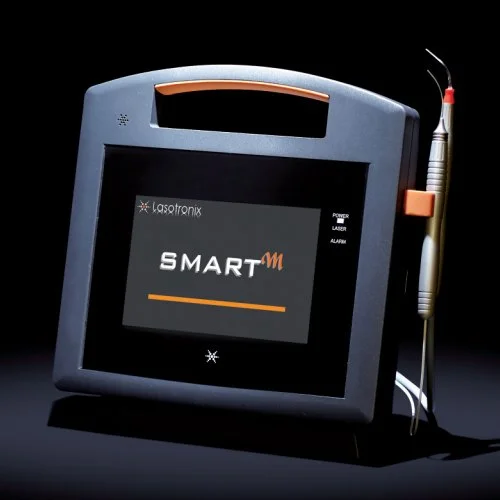
Laser treatment is one of the most advanced and minimally invasive approaches for fistula management. At Dr. Kamthe's Piles Clinic, Laser procedures are performed carefully to target the fistula tract with minimal damage to surrounding tissue.
Benefits of Laser Fistula Treatment:
- Reduced pain
- Minimal bleeding
- Faster recovery
- Short hospital stay
- Better patient comfort
- Reduced tissue damage
- Early return to routine activities
Ksharsutra Treatment
Ksharsutra is a traditional Ayurvedic treatment approach widely used for selected fistula cases. This technique involves medicated therapy that gradually helps heal the fistula tract while supporting infection control.
Ksharsutra treatment is planned only after proper clinical evaluation and depending on patient suitability.
Surgical & Advanced Proctology Care
In complex or recurrent cases, advanced procedures may be required to completely treat the fistula and prevent recurrence. Treatment is carefully planned to protect surrounding structures and improve healing outcomes.
Fistula Treatment
Advanced Treatment Options for Anal Fistula
At Dr. Kamthe's Piles Clinic, we offer a range of specialized fistula treatments tailored to each patient's condition, complexity, and recovery goals.
1. Laser Treatment
New advance laser treatment is used for fistula treatment. Laser beam passed through tract and tract is burnt. The therapy is the safe, efficient, less invasive and sphincter-saving system. The procedure requires approx. 15 to 30 minutes.
2. Advanced Seton Therapy
It is a combination of traditional and modern techniques. We use different ayurvedic herbs to prepare medicated Seton (a thread or string). Tagging this Seton to drain the fistula. We keep Seton inside for some days. The pus and infected tissue can flow down through the Seton. Then we change this herbal thread every week. Every week this setone cut and heal the tract slowly. It does not damage the sphincter muscle.
3. Fistulotomy
A fistulotomy is an outpatient operational method used to treat anal fistula. The procedure requires a few minutes or an hour. In this, the doctor makes an incision in the body to open the irregular connection between the two openings.
4. Ksharsutra & Kshar Karma
It is Ayurveda treatment first time invented by Acharya Sushrut before 5000 years. The method is best for piles & fistula which does not have any complication and side effects, negligible recurrence. The entire process requires local anesthesia or spinal anaesthesia. We are expert in performing Ksharsutra treatment. Ksharsutra treatment is choice of treatment for complex fistula. In Repeated fistula ksharasutra does not damage normal muscles and sphincter muscles. Patient can do normal activities.
5. Partial Fistulectomy with Ksharsutra Ligation
This is the most popular and convenient treatment for Fistula. In this fistula tract is partially removed and partially ksharsutra has been ligated. Every week this ksharsutra has been changed till complete cutting of the tract. It does not damage the sphincter muscle and maintains continence.
6. IFTAK Treatment
IFTAK is an advanced piles treatment that uses a non-surgical, non-invasive technique to heal and regenerate damaged tissue. The treatment is performed by expert doctors who specialize in piles treatment, using a state-of-the-art device to deliver a precise amount of energy to the affected area. This energy stimulates the body's natural healing process, leading to the regeneration of healthy tissue and reducing the size of the piles.
7. LIFT Treatment
LIFT, which stands for Ligation of the Intersphincteric Fistula Tract, is a minimally invasive procedure that is used to treat piles and anal fistulas. During the procedure, a surgeon will create a small incision in the skin near the affected area. They will then use a small, curved instrument to identify the tract that connects the fistula to the anal canal. Once the tract is located, it is then ligated or tied off to allow it to heal.
Why Choose Dr. Kamthe's Piles Clinic?
Specialized Care for Fistula & Anorectal Disorders
Our focus is on safe treatment, proper healing, and long-term patient care.
Recovery & Post-Treatment Care
Proper Healing Requires Proper Guidance
Recovery after fistula treatment depends on wound care, digestive management, hygiene, and follow-up support. Regular follow-up helps monitor healing progress and improve recovery outcomes.
Patient Stories
Real Patients. Real Recovery.
Many fistula patients visit the clinic after suffering from repeated infection, pain, swelling, and unsuccessful temporary treatments. With proper diagnosis and advanced treatment planning, patients experience significant relief and improved quality of life.
View Patient TestimonialsFAQ Section
Frequently Asked Questions
Video Testimonials
Hear it from our patients
Real stories of relief, recovery and renewed comfort — shared by our patients.
Appointment
Consult a Specialist for Proper Fistula Treatment
Do not ignore repeated swelling, pus discharge, or anal pain. Early diagnosis and specialized treatment can help prevent complications and improve recovery.