
Ignoring swelling in the scrotum can affect comfort and daily life
Specialized hydrocele treatment with advanced surgical and clinical care — accurate evaluation, safe procedures, and a recovery path focused on comfort and confidence.
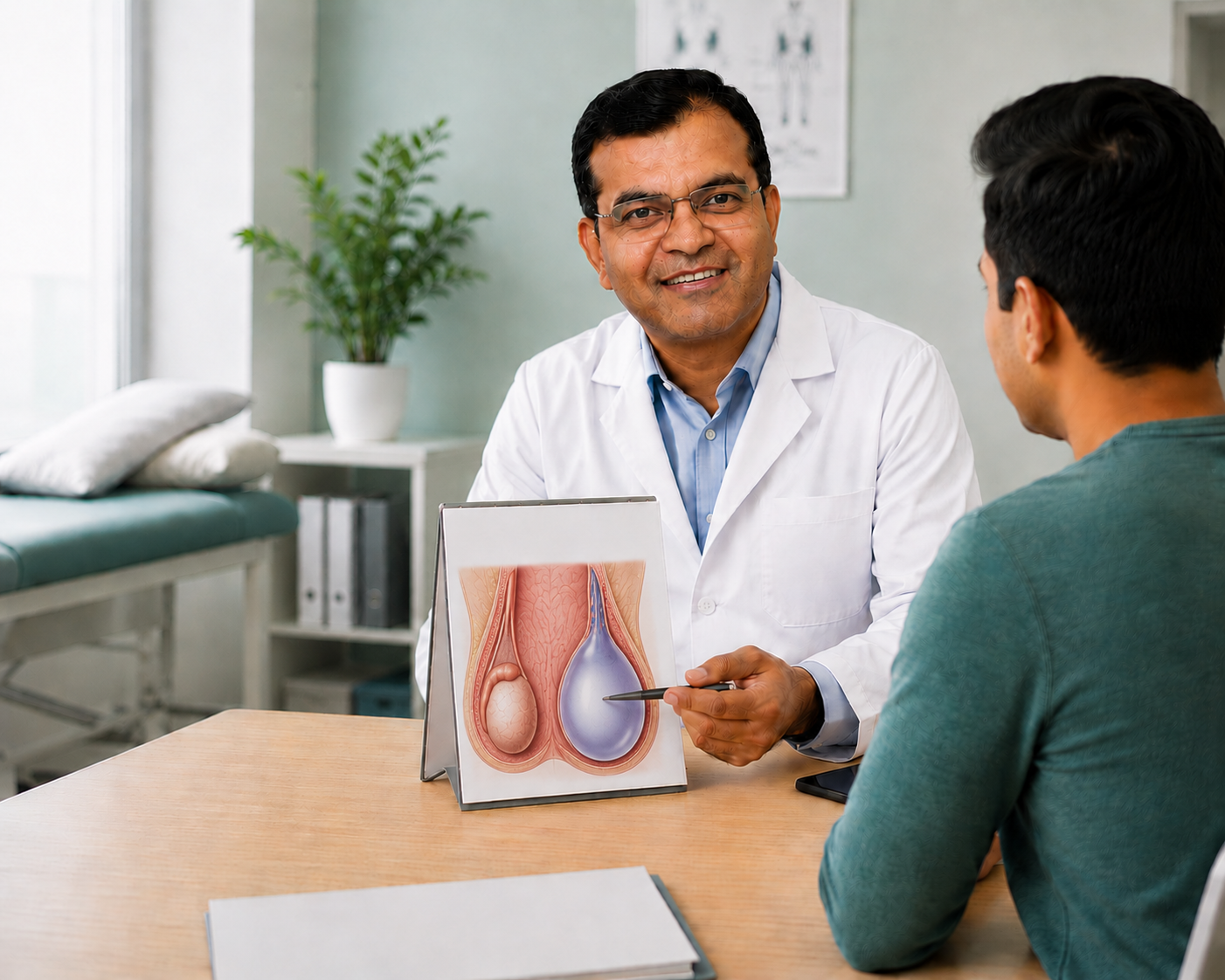
What is Hydrocele?
Understanding hydrocele & scrotal swelling
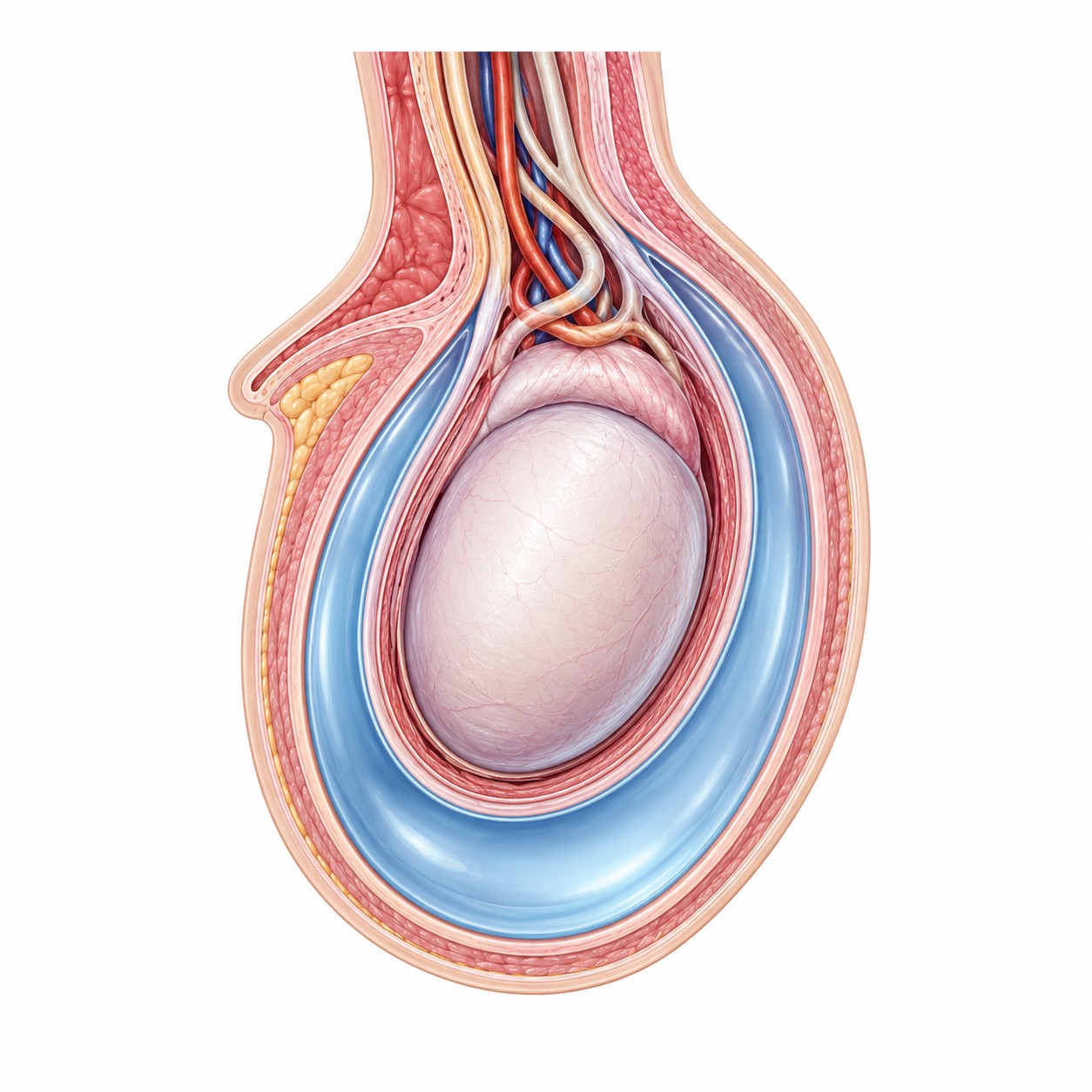
Hydrocele is a condition in which fluid collects around one or both testicles inside the scrotum, resulting in visible swelling. The swelling usually develops gradually and may initially remain painless.
Over time, patients often experience heaviness, discomfort while walking, irritation, or difficulty during physical activities. Although early hydrocele is usually not dangerous, proper evaluation is important to rule out associated conditions.
Who Can Be Affected
Why Hydrocele Develops
Common causes behind hydrocele formation
Hydrocele may develop because of fluid imbalance, inflammation, injury or infection around the testicular region.
Inflammation & Infection
Infection or inflammation in the testicular or surrounding tissues may increase fluid accumulation.
Injury or Trauma
Previous injury near the groin or scrotal region may lead to swelling and fluid collection.
Fluid Imbalance
Excess fluid production or reduced absorption around the testicle may gradually result in hydrocele.
Age-Related Changes
Hydrocele may develop gradually in adults because of tissue weakness or age-related factors.
Congenital Causes
In newborns, hydrocele may occur because of incomplete closure of fluid pathways during development.
Types of Hydrocele
Different forms, different care plans
Hydrocele varies depending on the cause and communication with abdominal fluid pathways.
Non-Communicating Hydrocele
Fluid remains trapped around the testicle without any connection to the abdominal cavity. This is the type most commonly seen in adults.
Symptoms
Signs you should not ignore
Symptoms vary depending on size and severity. Large hydroceles may affect routine activities and physical comfort.
When to Consult a Doctor
Early evaluation helps rule out hernia, infection or testicular problems and prevents complications.
- Persistent swelling
- Sudden increase in scrotal size
- Pain or discomfort
- Redness or infection signs
- Difficulty walking or sitting comfortably
Diagnosis
Proper examination, accurate diagnosis
Hydrocele diagnosis begins with a detailed clinical examination, understanding the patient's symptoms and swelling pattern. Accurate diagnosis is the foundation of safe treatment planning.
- 1Physical examination
- 2Swelling assessment
- 3Transillumination test
- 4Ultrasound where required
- 5Evaluation for associated conditions
Complications
Why timely treatment is important
Ignoring hydrocele for prolonged periods may lead to the following — early treatment helps prevent progression.
Hydrocele Treatment
Personalized treatment based on severity
Treatment depends on hydrocele size, symptoms, patient age and associated conditions — with a focus on safe care and smooth recovery.
Observation & Monitoring
Small painless hydroceles may be monitored initially under medical guidance with regular follow-up to assess changes.
Medicines & Supportive Care
When hydrocele is linked to infection or inflammation, medicines may be advised to reduce swelling and discomfort.
Surgical Hydrocele Treatment
For moderate or large hydroceles, surgical treatment safely removes fluid collection and prevents recurrence.
Modern surgical care focuses on:
Why Dr. Kamthe's Piles Clinic
Specialized care with patient-focused recovery
Recovery & Post-Treatment Care
Proper care helps faster healing
Recovery depends on rest, hygiene and activity management. Regular follow-up helps monitor healing progress and patient comfort.
FAQs
Frequently asked questions
Video Testimonials
Hear it from our patients
Real stories of relief, recovery and renewed comfort — shared by our patients.
Consult a specialist for proper hydrocele treatment
Do not ignore swelling, heaviness or discomfort in the scrotal region. Early diagnosis prevents complications.