
Facilities
Gastroscopy
A safe, day-care endoscopic procedure to closely examine the food pipe, stomach and the first part of the small intestine — for accurate diagnosis and timely treatment.
What is Gastroscopy?
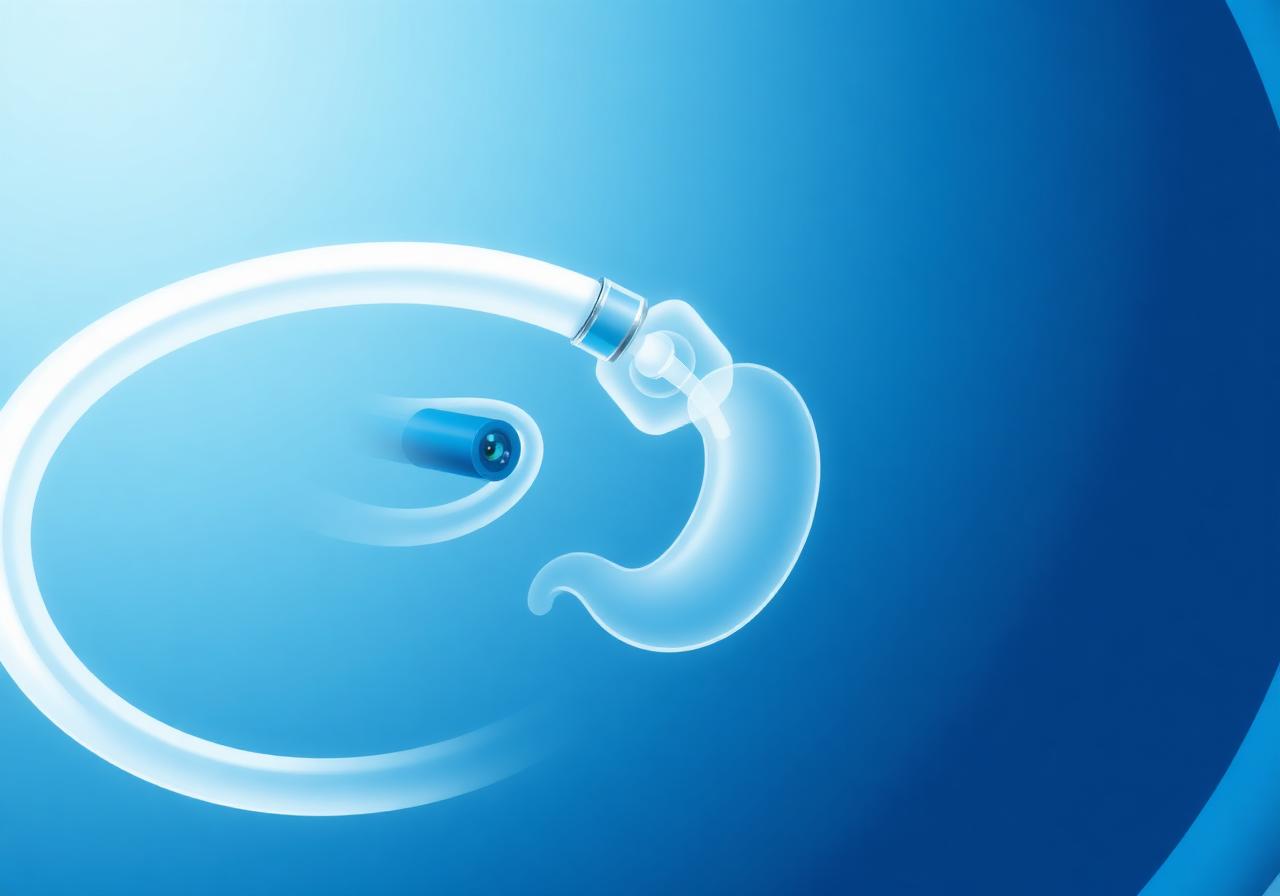
Gastroscopy is a modern diagnostic procedure that allows the doctor to directly see the inside of your esophagus (the food pipe from the mouth to the stomach), the stomach, and the duodenum (the first part of the small intestine just below the stomach).
It is done using a thin, flexible tube called a gastroscope, which has a light and a high-definition camera at its tip. Live images are shown on a monitor, helping the doctor pick up even small changes that X-rays or sonography may miss.
Indications
When is Gastroscopy Recommended?
Gastroscopy is commonly advised when symptoms of the upper digestive tract need a clear, accurate explanation. Typical reasons include:
How to prepare
Our team explains every step before the procedure. Certain medicines — especially blood thinners such as aspirin — may need to be paused for a few days. Because the stomach must be completely empty, you will be asked to stop food and water for a few hours before the test. Gastroscopy is performed as a day-care procedure, so an overnight hospital stay is not required.
How the procedure is done
Just before the test, the throat is numbed with a local anesthetic spray. The gastroscope is then gently guided through the mouth into the esophagus, stomach and duodenum. Most patients only feel a little pressure — the numbing agent greatly reduces any gagging sensation, and the entire procedure is usually well tolerated.
After the procedure
Gastroscopy is not painful, although a small number of patients describe mild discomfort. The mouth and throat may feel slightly numb for a short time because of the anesthetic. A little air is sometimes used inside the stomach for a clearer view, which can cause a brief feeling of fullness or bloating that settles quickly.
Possible risks
Gastroscopy is an extremely safe test in trained hands. As with any medical procedure, rare complications can include:
- Minor bleeding, which usually settles on its own
- Reaction to the sedative, if one is used
- Very rarely, a minor injury to the inner lining of the food pipe or stomach
Need a Gastroscopy evaluation?
Talk to our specialists for accurate diagnosis and personalised treatment planning.