
Facilities
Colonoscopy
An advanced diagnostic and therapeutic procedure to examine the inner lining of the large intestine — the gold standard for detecting colon and rectal conditions.
What is Colonoscopy?
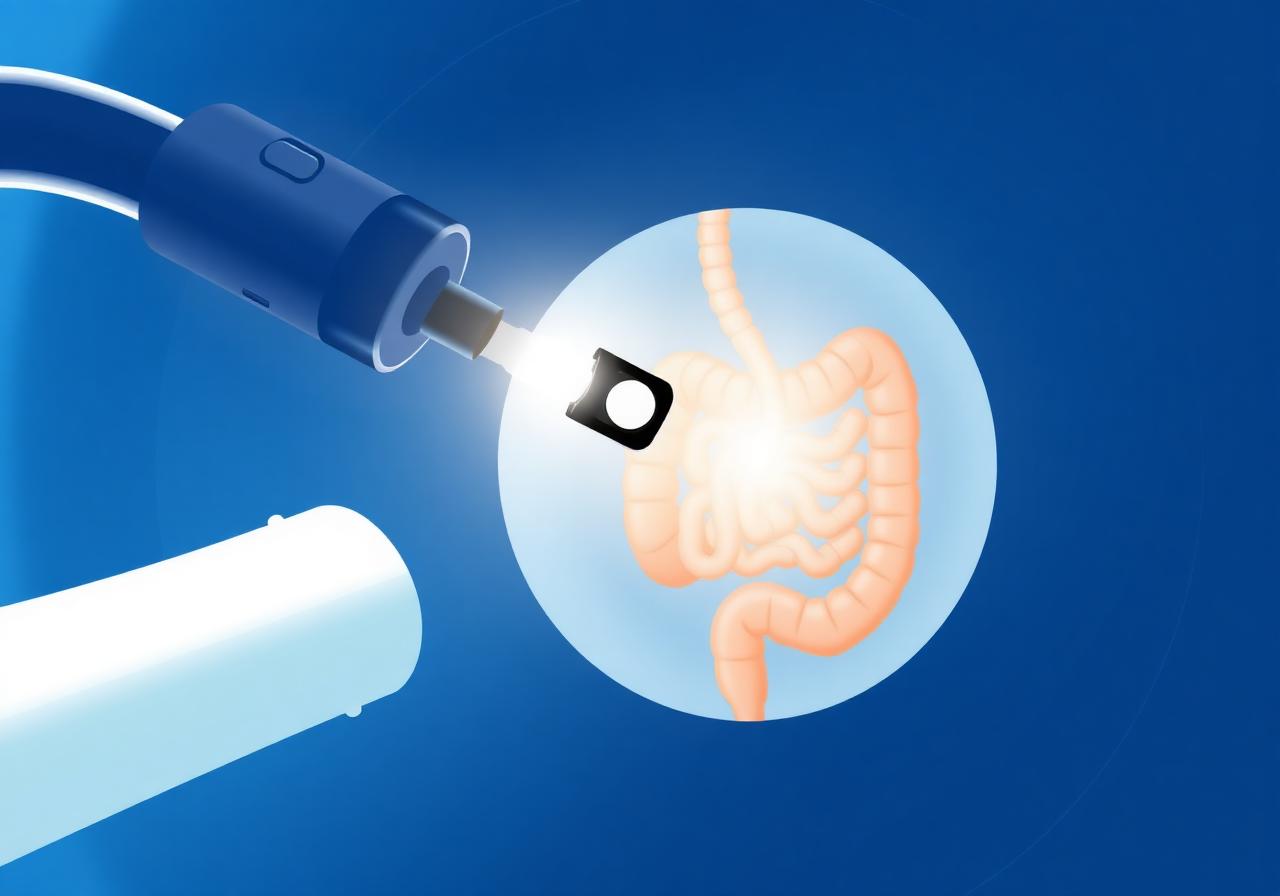
Colonoscopy is a procedure in which the doctor examines the inner surface of the colon (large intestine) using an instrument called a colonoscope — a long, flexible, narrow tube with a light and a camera at its tip. The colonoscope is gently passed through the anal opening, through the rectum and advanced all the way up to the caecum, the first part of the colon.
It is considered the most accurate way to detect lesions, ulcers, polyps and cancers of the colon and rectum at an early stage.
Indications
When is Colonoscopy Recommended?
Colonoscopy is mainly used for diagnosis and for routine screening of colorectal cancer. It may be advised in situations such as:
How to prepare
The bowel must be completely clean for the test, so the doctor can see the lining clearly. Once your colonoscopy is scheduled, you will receive detailed instructions — typically this involves drinking a measured amount of liquid laxative the day before. Colon hydrotherapy is another safe and comfortable option that avoids most of the discomfort associated with laxatives.
How the procedure is done
The test usually takes about 30–60 minutes. While you lie comfortably on the examination table, the tip of the colonoscope is slowly introduced through the anal opening and advanced through the rectum up to the caecum. As the tube is gently withdrawn, the camera relays a clear video of the colon lining onto a monitor, allowing detailed inspection.
Depending on the findings, the doctor may also perform:
- Biopsy of any abnormal-looking tissue
- Removal of polyps (small growths)
- Collecting samples when an infection is suspected
- Identifying the source of bleeding and controlling it
After the procedure
Mild cramping or a bloated feeling is common for a short while and usually settles soon after passing gas. If polyps were removed during the test, a small amount of bleeding from the anus can occur and is typically self-limiting.
Possible risks
In experienced hands, complications after colonoscopy are very uncommon. Bleeding, when it occurs, is usually mild and stops on its own. Perforation (a tiny tear in the colon wall) is an extremely rare complication.
Contact us immediately if you have:
- Severe abdominal pain
- Heavy anal bleeding that does not slow down
- Dizziness or marked weakness
- Fever
Early action ensures complete safety and a smooth recovery.
Need a Colonoscopy evaluation?
Talk to our specialists for accurate diagnosis and personalised treatment planning.